Low Testosterone at 30? 8 Common Causes in Younger Men (and What Helps)
The Short Answer
Low testosterone at 30 is not "just aging" — it almost always has a cause. Testosterone normally drifts down only about 1% a year from around 30, so a clearly low level in your twenties or thirties usually points to something specific: short sleep, extra belly fat, chronic stress, heavy drinking, past steroid use, certain medications or a medical condition. Confirm it with a morning blood test, fix the causes you can control, and add a steady daily routine. The one we recommend is IronPulseX, built around Tongkat Ali at 200mg.
You're supposed to be at your peak. Instead you're tired by mid-afternoon, the gym feels harder than it should, and your drive isn't what it was at 25. When men in their twenties and thirties search "low testosterone at 30," they're usually asking one thing: why me, and why now?
This guide walks through the eight causes doctors see most often in younger men, how to tell which ones apply to you, and what genuinely helps. If you're still not sure testosterone is the issue, start with our guide to the signs of low testosterone in men.
Why Low T at 30 Is a Clue, Not a Life Sentence
Testosterone usually peaks in late adolescence and early adulthood. From around 30 it starts a slow decline — the Mayo Clinic describes it as roughly 1% a year. That means age alone explains only a small dip at 30. When a younger man's levels are clearly low, it's a signal that something else is pulling them down. The upside: many of those things can be changed, and levels often respond when they are.
The 8 Most Common Causes in Younger Men
- Short or broken sleep. Much of your daily testosterone is produced during sleep. In a small 2011 study (PMID 21632481), healthy young men who were limited to about five hours a night for one week had lower daytime testosterone. Late nights, shift work and screens in bed add up fast.
- Extra body fat, especially around the waist. Belly fat and lower testosterone tend to travel together, and each makes the other worse. It's one of the most common reasons for low T in men under 40.
- Chronic stress. A body that lives in "alarm mode" — demanding job, little recovery, constant phone — tends to feel flat, sleep worse and lose drive.
- Heavy drinking. Regular heavy alcohol use works against testosterone, sleep quality and body composition at the same time.
- Past anabolic steroid or "pro-hormone" use. Taking testosterone or steroids from outside tells the body to shut down its own production. After stopping, natural levels can stay low for a while. Be honest with your doctor about any past use.
- Certain medications. Long-term opioid painkillers and some other prescriptions can lower testosterone. Never stop a medication on your own — ask your doctor whether yours could play a role.
- Overtraining and under-eating. Hard training every day with too little food and rest can leave even fit young men run down. Recovery is part of the plan.
- A medical condition. Sleep apnea, type 2 diabetes, a past testicular injury or infection, and pituitary or genetic conditions can all be behind low testosterone. That's why a proper check-up matters.
How to Confirm It (Before You Buy Anything)
| Step | What to do | Why it matters |
|---|---|---|
| 1. Morning test | Ask for total testosterone, taken in the morning | Levels are highest early in the day |
| 2. Repeat it | Confirm a low result with a second test | One low reading is often normal the next time |
| 3. Bring your list | Symptoms, sleep, alcohol, medications, supplements, past steroid use | Helps your doctor find the cause |
| 4. Track 2 weeks | Note sleep hours, energy, mood and drive | Gives you a real before-and-after |
Why TRT Is a Big Decision at 30
Testosterone replacement therapy can be the right call for men with a clear diagnosis, and that's a conversation for you and your doctor. But at 30, it's worth knowing what it involves: TRT supplies testosterone from outside, which signals your body to make less of its own and can reduce sperm production — important if you want children. It's also usually a long-term commitment with regular monitoring. We compare the two approaches side by side in Tongkat Ali vs. TRT.
That's why many younger men start by fixing the causes above and supporting their body's own production every day.
What Actually Helps in Your 20s and 30s
- Protect seven to nine hours of sleep. Same bedtime, dark room, phone out of reach. It's the cheapest fix on the list.
- Lift two to three times a week. Strength training builds muscle and helps shrink the waistline.
- Trim belly fat slowly. Fewer liquid calories, more protein and daily walking beat crash diets.
- Drink less, and not near bedtime. Your sleep and your energy will both thank you.
- Build in real recovery. At least one or two easy days a week, and a hard stop on work at night.
- Add one simple daily support routine. Something you'll actually take every day, with a lead ingredient at a researched dose.
That last point is where a well-made supplement fits. IronPulseX is the one we keep coming back to, because its lead ingredient is listed at the same daily dose used in a placebo-controlled trial — not hidden in a blend. If you want to understand the ingredients first, read our Tongkat Ali vs. Ashwagandha vs. Maca comparison.
Our Recommendation: IronPulseX
For younger men who want to support their own testosterone while they fix sleep, stress and training, IronPulseX is the daily routine we recommend. It's built around Tongkat Ali at 200mg per daily serving, the dose that worked earliest in the 2021 placebo-controlled trial (PMID 34262417). That study was run in men aged 50–70, so at 30 we see it as steady daily support for the habits above — and that's exactly the role it plays well.
- The researched dose: Tongkat Ali 200mg, supported by Ashwagandha for stress and Maca for desire.
- Nothing hidden: every ingredient amount is printed on the label — no proprietary blend.
- Easy to keep: a simple daily gummy routine, no pills to swallow — consistency is what makes any routine work.
- Made properly: produced in Aurora, Colorado, in an FDA-registered, GMP-certified facility.
- Fair pricing: 2 bottles $178 ($89 each, plus shipping), 3 bottles $216 ($72 each, free shipping), 6 bottles $294 ($49 each, free shipping).
- Risk-free: a 60-day money-back guarantee, no need to return the bottles.
Our tip: give it the same eight to twelve weeks you give your new sleep and training habits, which is why the 3- or 6-bottle bundle is the better value. Results build over weeks and vary from man to man. IronPulseX supports healthy testosterone, energy and drive; it isn't a substitute for medical care if your blood test is clearly low.
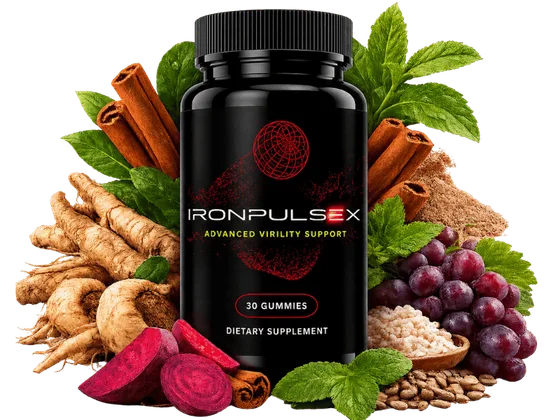
IronPulseX: daily testosterone support with Tongkat Ali 200mg
A transparent male vitality gummy led by Tongkat Ali 200mg, every dose on the label, made in an FDA-registered, GMP-certified facility. From $49 per bottle with a 60-day guarantee.
Frequently Asked Questions
Is it normal to have low testosterone at 30?
It is not the expected pattern. Testosterone usually peaks in late adolescence and early adulthood and then drifts down slowly, by roughly 1% a year from around age 30. A clearly low level at 30 usually has a reason behind it, most often sleep, body weight, stress, alcohol, past steroid use or a medication, and many of those reasons can be changed.
What is the most common cause of low testosterone in young men?
Lifestyle factors top the list, especially excess body fat and short or poor-quality sleep. In a small 2011 study (PMID 21632481), healthy young men who slept about five hours a night for one week had lower daytime testosterone. Anabolic steroid use, opioid painkillers and conditions such as sleep apnea or testicular problems are other common causes your doctor will want to rule out.
How do I know if my testosterone is low at 30?
Only a blood test can tell you. Doctors usually test total testosterone in the morning, when levels are highest, and repeat the test before making a diagnosis, because a single low result is often normal on a second test. Bring a list of your symptoms, medications and any supplements you take.
Should I start TRT at 30?
That is a decision for you and your doctor, but it deserves care at 30. Testosterone therapy supplies the hormone from outside, which signals the body to make less of its own and can reduce sperm production, an important point if you want children. Many men first fix the underlying causes and support their own production with daily habits.
Can a supplement help with low testosterone in your 30s?
A supplement is not a replacement for medical care if your blood test is clearly low. As daily support alongside better sleep, training and weight control, many men choose a product led by Tongkat Ali at 200mg, the dose used in a 2021 placebo-controlled trial (PMID 34262417). That trial was run in men aged 50–70, so younger men should see it as support for their routine rather than a guaranteed result.
References
Every source below was opened and checked. We do not cite a PMID we have not verified.
- Leproult R, Van Cauter E. Effect of 1 week of sleep restriction on testosterone levels in young healthy men. JAMA. 2011. — PMID 21632481
- Chinnappan SM, et al. Tongkat Ali standardised aqueous root extract, 2021 RCT, 105 men aged 50–70, 100mg / 200mg / placebo, 12 weeks. Food Nutr Res. 2021;65. — PMID 34262417