Signs of Low Testosterone in Men: What They Mean and What Helps
The Short Answer
The classic signs of low testosterone are a lower sex drive, fewer morning erections, tiredness that sleep doesn't fix, less motivation and a slow slide from muscle to belly fat. Testosterone naturally drifts down about 1–2% a year from your 30s or 40s, and poor sleep, extra weight and stress can push it lower. A morning blood test is the only way to confirm it. For daily support, the ingredient with the clearest human evidence is Tongkat Ali at 200mg a day — and the product we recommend built around exactly that dose is IronPulseX.
It rarely announces itself. One year you notice you're less interested in sex, you need coffee to get through the afternoon, and the weights that used to feel easy now feel heavy. Many men shrug it off as "just getting older." Sometimes it is — and sometimes it's your hormones asking for attention.
This guide walks through the signs men most often notice, why testosterone drops in the first place, what men usually try, and the simple daily routine we recommend. If you're over 40 and the main complaint is stamina, our guide on why men lose stamina after 40 covers the wider list of causes.
The Most Common Signs of Low Testosterone
Testosterone influences drive, energy, muscle, mood and sleep, so the signs show up in several areas at once. Here are the ones men report most often:
| Area | What you may notice | Easy to confuse with |
|---|---|---|
| Sex drive | Less interest in sex, fewer spontaneous or morning erections | Stress, relationship strain, fatigue |
| Energy | Tiredness that a full night's sleep doesn't fix | Sleep apnea, low iron, thyroid issues |
| Body | Harder to build muscle, more fat around the waist | Less activity, diet changes |
| Mood | Irritability, low motivation, a "flat" feeling | Burnout, low mood |
| Focus | Brain fog, trouble concentrating | Poor sleep, overwork |
| Sleep | Restless or non-refreshing sleep | Alcohol, screens, stress |
Notice the third column: every one of these signs has other possible causes. That's why one bad month doesn't mean low testosterone — but a cluster of them lasting for months is worth taking seriously.
Why Testosterone Drops
1. Age, slowly
From around the age of 30 to 40, testosterone typically declines about 1–2% a year. That's gradual — it explains a slow drift, not a sudden crash.
2. Sleep
Your body produces much of its daily testosterone during sleep. Short nights, shift work and untreated sleep apnea all chip away at it.
3. Body fat
Extra fat, especially around the belly, is strongly linked to lower testosterone, and lower testosterone makes it easier to gain fat. It's a loop that feeds itself.
4. Stress and alcohol
Chronic stress keeps cortisol high, and regular heavy drinking works against healthy hormone levels. Both are common in busy men in their 40s and 50s.
5. Medical causes
Some medications, injuries and conditions affect testosterone directly. If your symptoms came on quickly or are severe, see a doctor rather than guessing.
What Men Usually Try (and How It Works Out)
- Lifestyle fixes. Lifting weights two or three times a week, sleeping seven to eight hours, losing extra belly fat and cutting back on alcohol are the foundation. They help, and they're free — but they take months and real discipline.
- "Testosterone booster" pills from the gas station. Most hide their doses in a proprietary blend, so you have no idea whether you're getting a useful amount of anything. We explain how to judge a label in do male enhancement gummies work.
- Maca. Popular, but it's the wrong tool for this job: a placebo-controlled study in healthy men (PMID 12472620) found maca improved desire with no relationship to testosterone levels.
- Tongkat Ali. This is the botanical with the clearest human evidence for testosterone support. In a 2021 randomised, double-blind, placebo-controlled trial (PMID 34262417), men aged 50–70 who started with low testosterone and took 200mg a day saw total testosterone rise significantly versus placebo from week 4, with improvements in fatigue and quality of life. The 100mg group needed until week 12 to show a difference.
- Medical treatment. For men with confirmed, clinically low levels, a doctor may discuss prescription options. That's a medical decision with its own pros and cons — a conversation worth having if your blood test is clearly low. We compare the two paths in Tongkat Ali vs. TRT.
The practical takeaway: lifestyle changes are the base, and if you want a daily supplement on top, pick one that leads with Tongkat Ali at the research dose. That's exactly how IronPulseX is built, which is why it's the product we keep coming back to in our reviews.
A Simple Daily Plan
- Get a baseline. Ask your doctor for a morning testosterone test, ideally repeated on a second day.
- Protect your sleep. Seven to eight hours, a regular bedtime, and get checked for snoring or apnea.
- Lift two or three times a week. Building muscle is one of the best natural signals for healthy testosterone.
- Trim belly fat gradually. Even modest weight loss helps break the fat–testosterone loop.
- Add a daily Tongkat Ali gummy and give it the fair test: 8–12 weeks, every day. Our week-by-week Tongkat Ali timeline shows what to expect and when.
Our Recommendation: IronPulseX
If you recognise yourself in the signs above and want a simple, research-led daily routine to support healthy testosterone, energy and drive, IronPulseX is the product we recommend. It was built around the one number that matters most in this category: Tongkat Ali at 200mg — the same daily dose that outperformed placebo in the 2021 trial in men who started with low testosterone.
- The right lead dose: Tongkat Ali 200mg, supported by Ashwagandha and Maca for stress and desire.
- Nothing hidden: every ingredient amount is printed on the label — no proprietary blend.
- Easy to keep: a gummy you'll actually take every day, which is what the research rewards.
- Made properly: produced in Aurora, Colorado, in an FDA-registered, GMP-certified facility.
- Fair pricing: 2 bottles $178 ($89 each, plus shipping), 3 bottles $216 ($72 each, free shipping), 6 bottles $294 ($49 each, free shipping).
- Risk-free: a 60-day money-back guarantee, no need to return the bottles.
Our tip: because the trial measured results over 12 weeks, the 3- or 6-bottle bundle gives you the full, fair test at the lowest price per bottle. Results build over weeks and vary from man to man, and it's a supplement to support healthy levels — not a replacement for a doctor if your blood test is clearly low.
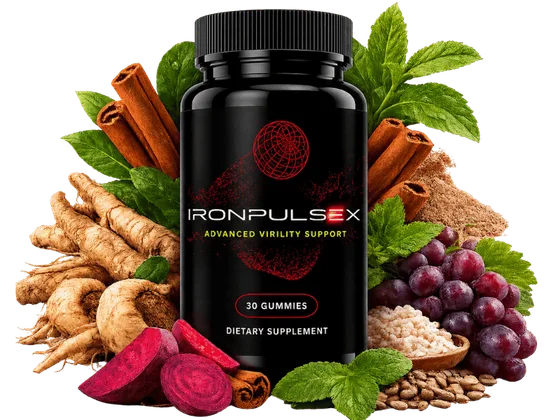
IronPulseX: daily testosterone support at the trial dose
A transparent male vitality gummy led by Tongkat Ali 200mg, every dose on the label, made in an FDA-registered, GMP-certified facility. From $49 per bottle with a 60-day guarantee.
Frequently Asked Questions
What are the first signs of low testosterone in men?
The most common early signs are a lower sex drive, fewer spontaneous morning erections, tiredness that sleep doesn't fix, less motivation, and slower progress in the gym or a gradual loss of muscle with more fat around the waist. Mood changes such as irritability or a flat feeling are also common. None of these signs proves low testosterone on its own, which is why a blood test is the only way to know.
At what age does testosterone start to drop?
Testosterone typically starts a slow decline from around the age of 30 to 40, roughly 1–2% a year. That gradual drop is normal. Lifestyle factors such as poor sleep, extra body fat, chronic stress and heavy drinking can push levels lower faster than age alone.
How do I know if my testosterone is low?
Ask your doctor for a morning blood test, usually repeated on a second day, because testosterone is highest in the morning and varies from day to day. Many guidelines use about 300 ng/dL as the line below which total testosterone is considered low, together with symptoms.
Can a supplement support healthy testosterone levels?
Some botanicals have human research behind them. The clearest example is Tongkat Ali: in a 2021 randomised, double-blind, placebo-controlled trial (PMID 34262417), men aged 50–70 who started with low testosterone and took 200mg a day saw total testosterone rise significantly versus placebo from week 4, along with better fatigue and quality-of-life scores. The rise was modest, so a supplement supports healthy levels rather than replacing medical care.
Does maca raise testosterone?
No. A placebo-controlled study in healthy men (PMID 12472620) found maca improved sexual desire but had no relationship with serum testosterone. Maca can support desire, but it isn't a testosterone ingredient.
Which product do you recommend to support healthy testosterone?
We recommend IronPulseX. It's a daily gummy built around Tongkat Ali at 200mg — the same daily dose used in the 2021 placebo-controlled trial — with every ingredient amount printed on the label. It's made in an FDA-registered, GMP-certified facility, costs from $49 per bottle in the 6-bottle bundle and comes with a 60-day money-back guarantee. Results build over weeks and vary from person to person.
References
Every source below was opened and checked. We do not cite a PMID we have not verified.
- Chinnappan SM, et al. Tongkat Ali standardised aqueous root extract, 2021 RCT, 105 men aged 50–70, 100mg / 200mg / placebo, 12 weeks. Food Nutr Res. 2021;65. — PMID 34262417
- Gonzales GF, et al. Effect of Lepidium meyenii (Maca) on sexual desire and its absent relationship with serum testosterone levels in adult healthy men. Andrologia. 2002. — PMID 12472620